domingo, 10 de septiembre de 2023
Early September
martes, 29 de agosto de 2023
Ruddy Shelduck at the saltpans
A trip to Las Salinas in Fuencaliente this morning (Aug 29) led to the discovery of four Ruddy Shelduck (Tadorna ferruginea) in one of the main ponds. As can be appreciated in the images shown here, a strong wind was blowing on the day, producing rough seas. The adverse weather conditions, plus the fact I was only equipped with a compact camera, explains the poor quality of the photos.
Back in April this year, the first two Ruddy Shelduck (Tadorna ferruginea) to be recorded on La Palma appeared in an irrigation pond in Las Martelas (Los Llanos de Aridane), spending several days at the site. It was hoped the pair might attempt to breed on the island, but the birds eventually moved on. Similar sporadic visits have been recorded on most of the Canary Islands.
This species is a relatively recent coloniser of the island of Fuerteventura, where breeding was first recorded in spring 1994 at the Catalina García wetland. It now occupies other wetlands on the island and can be observed in a variety of habitats including farmland, golf courses and parks. The natural colonisation process is believed to have originated from North Africa, and movements between the islands and the nearby continent continue. A recent census carried out by SEO/Birdlife put the Canary Island population at 515 individuals.
Prone to drought-driven, seasonal movements, the Fuerteventura population abandons the island in summer in search of suitable habitat in Africa, and the first birds start to return from September onwards, coinciding with the wetter autumn and winter months.
The presence of these four individuals on La Palma at the end of August could indicate the early arrival of a small contingent from Africa, but since disturbance-free breeding sites are lacking on La Palma, these birds will probably fly on.
domingo, 7 de mayo de 2023
Black-crowned Night Heron
The Black-crowned Night Heron (Nycticorax nycticorax) used to be a fairly regular passage migrant to La Palma, but seems to have become less frequent in recent years. Moreover, the 2021 volcanic eruption destroyed several of the irrigation ponds formerly frequented by this species.
viernes, 14 de abril de 2023
Ruddy Shelduck
I photographed two Ruddy Shelduck (Tadorna ferruginea) in an irrigation pond in Las Martelas (Los Llanos de Aridane) yesterday evening, April 13. This was my first visit to the area for about one month, so I have no idea how long these two birds have been present, but it seems they have already been reported to SEO/Birdlife on Tenerife.

One of the two birds has a faint dark neck band, so is obviously a male. The other bird is considerably smaller, lacks the neck band, and has much more white on the neck and throat, indicative of a female. As this appears to be a pair, a late attempt at breeding could possibly ensue.
lunes, 7 de noviembre de 2022
Great Cormorant
The immature Great Cormorant (Phalacrocorax carbo) first spotted on Oct 15 was still present on Nov 6. The bird can now be seen both at the irrigation ponds in Las Martelas, and at the Dos Pinos reservoir, both in the Los Llanos de Aridane municipality.
On Oct 18 I was able to photograph the Cormorant taking off, a fairly strenuous process in which the bird splashes across the surface in a series of jumps before finally getting airborne.
sábado, 15 de octubre de 2022
First half of October
The first two weeks of October have seen the arrival of a number of interesting migrants, including the two species shown in the present post:
The present individual was discovered by chance as I walked around the Dos Pinos (Los Llanos de Aridane) reservoir on Oct 9. It was perched 5 or 6 metres above me, offering an unusual perspective of a species typically observed close to the ground.
A noteworthy find on Oct 15 was the bird shown here:
The Great Cormorant (Phalacrocorax carbo) is described as an irregular winter visitor to the Canary Islands in the "Fieldguide to the Birds of Macaronesia" (Lynx Edicions, 2011).
There have been several records on La Palma, from both coastal locations and freshwater habitats. Since some of the irrigation ponds in Las Martelas (Los Llanos de Aridane) are stocked with carp or tilapia, piscivores are able to find easy prey.
domingo, 2 de octubre de 2022
September-October highlights
In addition to the birds featured in the previous two posts, September and early October have also seen the arrival of the following species:
1. Common Redshank (Tringa totanus), one at Las Salinas (Fuencaliente) and two at the airport pools (Mazo):
A regular seasonal migrant to La Palma, the Redshank (Tringa totanus) doesn´t qualify as an oustanding find, but I was pleased to get pictures of the bird feeding on marine worms. Below it is shown enjoying another tasty meal on Sep 9:

2. Willow Warbler (Phylloscopus trochilus)
I managed to locate one of the two Willow Warblers (Phylloscopus trochilus) on Sep 28. The bird was foraging for insects on the stone walls:
This species has turned up at the saltpans before, and at the irrigation ponds in Las Martelas (Los Llanos de Aridane), but cannot be considered a regular visitor to the island. Or perhaps many birds just go undetected, especially if they settle in wooded habitat or gardens.
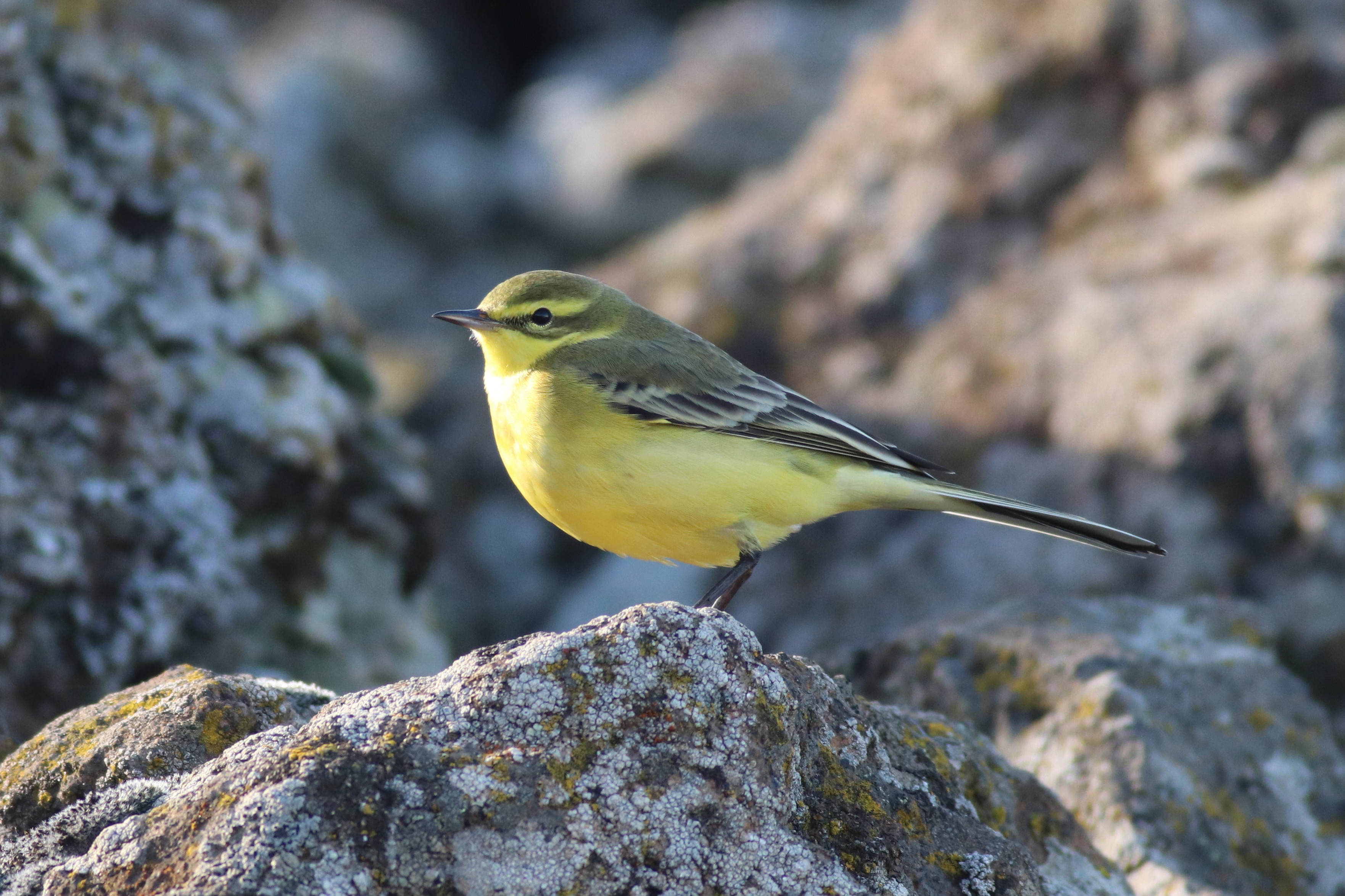
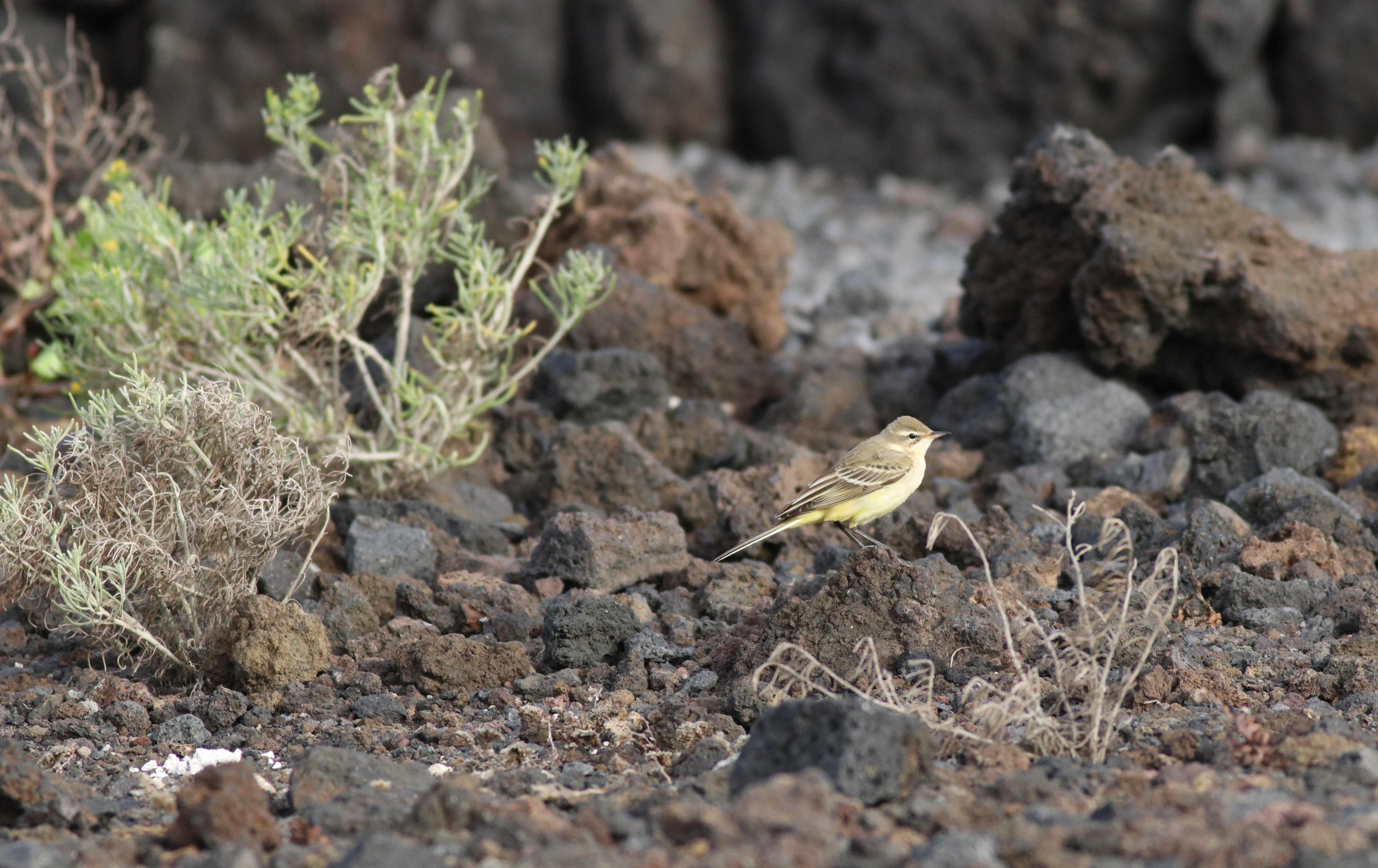
3. Yellow Wagtail (Motacilla flava)
On Sep 30 I found a small group of approximately 4 individuals at the same location where Tom Brereton and Naturetrek had observed their 7+ birds. Significantly, this was a small field containing livestock, ideal terrain given the species´ marked habit of feeding at the feet of grazing animals: